
Blog
The History of Louis Vuitton Handbags: From Travel Trunks to Timeless Icons
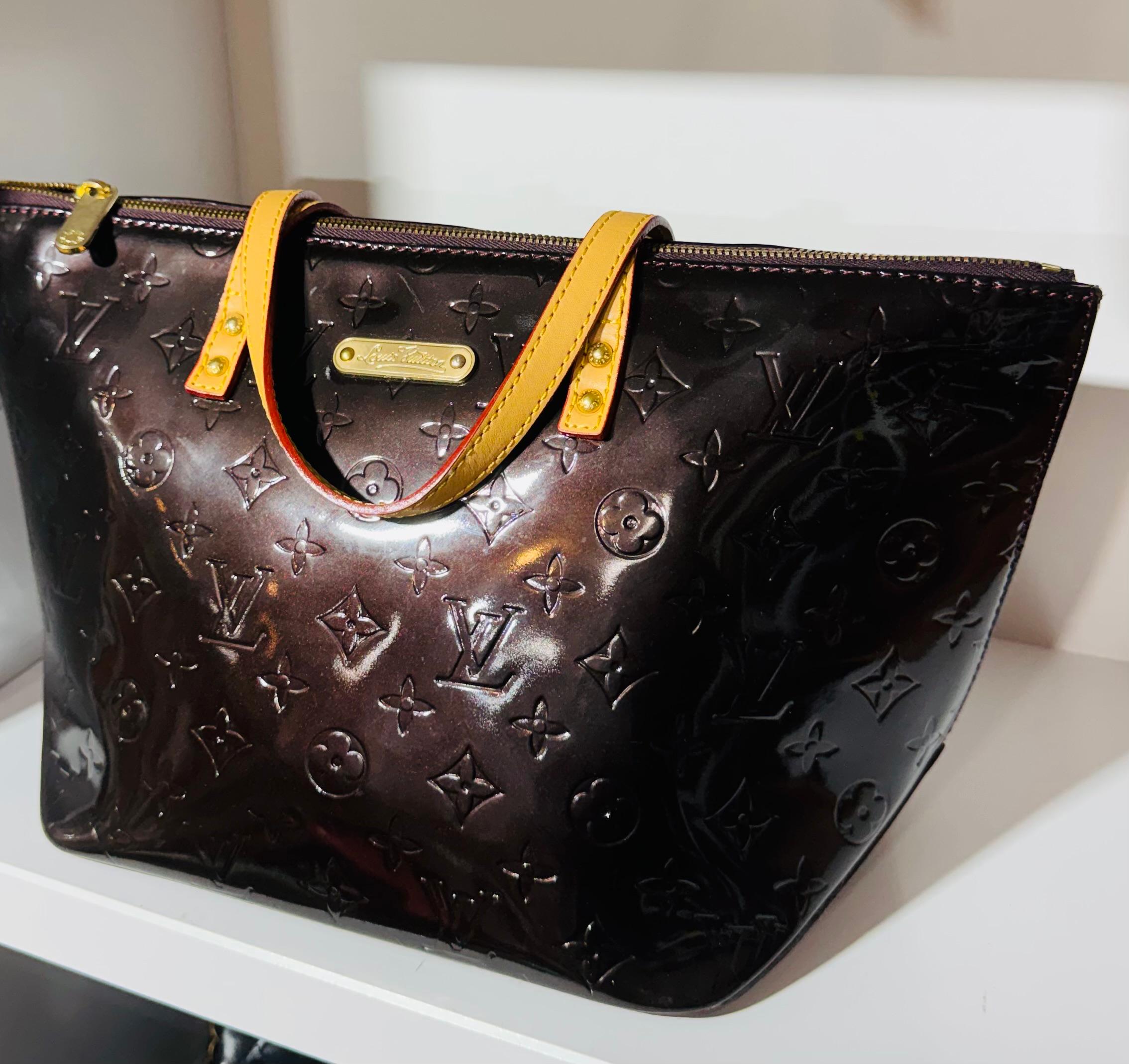
Louis Vuitton is one of the most recognizable names in luxury fashion, synonymous with craftsmanship, heritage, and timeless design. While today the brand is celebrated for its iconic handbags, its story began in the 19th century with a focus on travel. Understanding the history of Louis Vuitton handbags reveals how innovation, artistry, and exclusivity shaped one of the world’s most coveted luxury brands.
The Origins: A Legacy Rooted in Travel (1854–1890s)
Louis Vuitton founded his brand in Paris in 1854, originally specializing in handcrafted travel trunks. At the time, trunks had rounded tops, making them difficult to stack. Vuitton revolutionized travel design by introducing flat-topped trunks, which were lightweight, stackable, and highly durable.
These trunks quickly gained popularity among elite travelers and royalty. Vuitton’s commitment to quality and innovation laid the foundation for what would later evolve into luxury handbags.
The Birth of the Monogram Canvas (1896)
As the brand grew, so did the problem of counterfeiting. In response, Georges Vuitton, Louis Vuitton’s son, introduced the iconic Monogram canvas in 1896. Featuring the LV initials and floral motifs, this design became one of the most recognizable patterns in the world.
Originally used on trunks and luggage, the Monogram canvas would later become a defining feature of Louis Vuitton handbags, combining durability with unmistakable brand identity.
Transition to Handbags (Early 20th Century)
The evolution from luggage to handbags began in the early 1900s. As travel habits changed, clients sought smaller, more practical accessories.
Key early designs included:
- Steamer Bag (1901): Designed to fit inside larger trunks, it marked the shift toward portable luxury.
- Keepall (1930): A soft travel bag that remains popular today.
- Speedy (1930): Originally created for travelers, it later became one of Louis Vuitton’s most iconic handbags.
The Speedy, in particular, gained global attention when Audrey Hepburn requested a smaller version, cementing its status as a timeless fashion staple.
Post-War Expansion and Global Recognition (1950s–1980s)
After World War II, Louis Vuitton expanded beyond travel goods into fashion accessories. Handbags became central to the brand’s identity, combining practicality with elegance.
During this period, Louis Vuitton introduced:
- Noé Bag (1932): Designed to carry champagne bottles, later reimagined as a stylish bucket bag.
- Alma Bag (1934): A structured, elegant handbag inspired by Parisian architecture.
- Papillon (1966): A cylindrical bag reflecting modern design trends.
These designs showcased the brand’s ability to blend function with luxury, appealing to a growing international audience.
The Rise of Modern Luxury (1990s–2000s)
A major turning point came in 1997 when Marc Jacobs was appointed as Louis Vuitton’s first creative director. He introduced ready-to-wear collections and collaborated with contemporary artists, transforming the brand into a fashion powerhouse.
Notable collaborations included:
- Stephen Sprouse: Graffiti-style Monogram designs
- Takashi Murakami: Multicolor Monogram collection
- Yayoi Kusama: Polka dot reinterpretations
These collaborations redefined Louis Vuitton handbags, making them both fashion statements and collectible art pieces.
Iconic Handbags That Shaped the Brand
Over the decades, several Louis Vuitton handbags have become enduring icons:
- Speedy: Compact, versatile, and timeless
- Neverfull: Spacious tote ideal for everyday use
- Alma: Structured elegance with classic appeal
- Capucines: A symbol of modern luxury and sophistication
- Twist Bag: A contemporary design with innovative hardware
Each piece reflects the brand’s commitment to craftsmanship, innovation, and style.
Craftsmanship and Materials
One of the key reasons behind Louis Vuitton’s lasting success is its dedication to quality. The brand uses premium materials such as:
- Coated Monogram canvas for durability
- Epi leather for texture and resilience
- Vernis leather for a glossy, luxurious finish
Every handbag undergoes meticulous craftsmanship, ensuring longevity and maintaining its value over time.
Louis Vuitton Today: A Global Luxury Leader
Today, Louis Vuitton is part of the LVMH group and remains a leader in the global luxury market. Its handbags are not only fashion accessories but also investment pieces, often retaining or increasing their value.
The brand continues to innovate while honoring its heritage, introducing new designs while preserving classic styles that have stood the test of time.
Why Louis Vuitton Handbags Remain Timeless
Louis Vuitton handbags continue to captivate collectors and fashion enthusiasts for several reasons:
- Rich heritage and history
- Iconic, recognizable designs
- Exceptional craftsmanship
- Strong resale and investment value
From its beginnings as a trunk maker to becoming a global luxury icon, Louis Vuitton has successfully evolved while staying true to its roots.
Conclusion
The history of Louis Vuitton handbags is a story of innovation, craftsmanship, and timeless elegance. What started as a solution for better travel storage has transformed into a symbol of luxury and sophistication worldwide. Whether vintage or modern, each Louis Vuitton handbag carries a legacy that continues to define the future of fashion.
Luxury Handbag Manufacturing Capital of the World: Where Craftsmanship Meets Prestige
When it comes to luxury handbags, one question often arises: where are the world’s finest handbags actually made? While luxury brands are global, the true heart of luxury handbag manufacturing lies in Europe—especially Italy and France, widely regarded as the handbag...
Leading Hollywood Celebrities Who Love Chanel Handbags
BlogLeading Hollywood Celebrities Who Love Chanel HandbagsChanel handbags have long been a symbol of timeless elegance, sophistication, and status. From the iconic Classic Flap to the modern Boy Bag, Chanel continues to dominate the luxury fashion world—and Hollywood...
Sale
15% Off Sale
Lorem ipsum dolor sit amet, consectetur adipiscing elit, sed do eiusmod tempor incididunt ut labore et dolore magna aliqua. Ut enim ad minim veniam, quis nostrud exercitation